On the road to Manila
Strengthening action and investment to end violence in schools
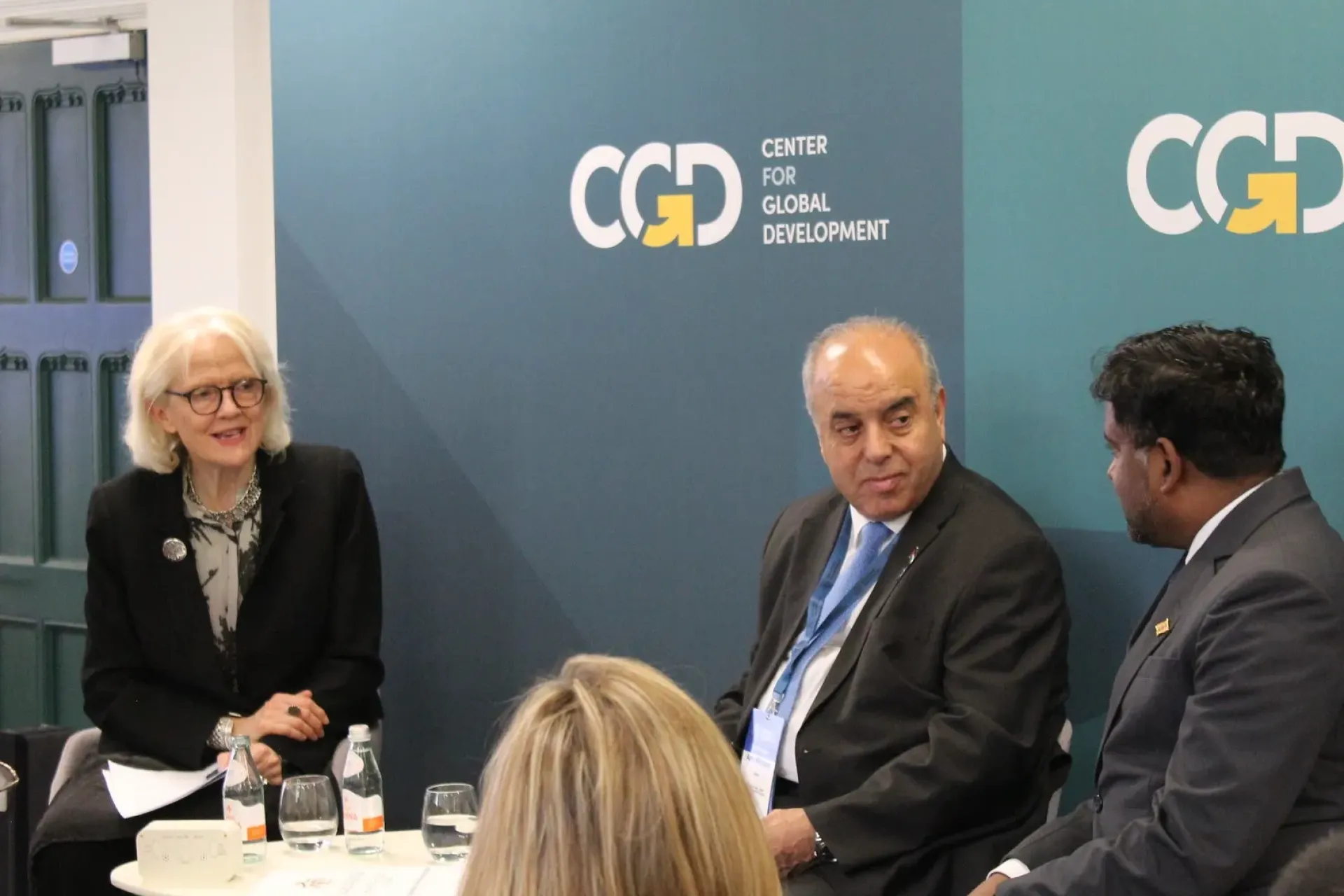
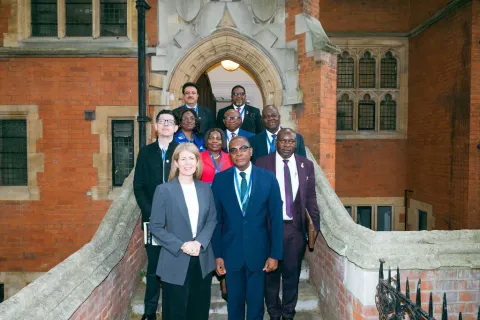
On the margins of the 2026 Education World Forum in London, education ministers, development partners, and global leaders came together for a high-level side event focused on one urgent and shared priority: ensuring that every child can learn in a safe and supportive environment.
Convened by the Safe to Learn Coalition, GBV Funder Forum, Center for Global Development (CGD), Foreign, Commonwealth & Development Office (FCDO) and UNICEF, the event brought together voices from across sectors to reflect on progress - and more importantly, to accelerate action on ending violence in and around schools. At the heart of the discussion was a simple but powerful message: violence in schools is not inevitable, and education systems have a critical role to play in preventing and addressing it. As highlighted by the Safe to Learn Coalition, violence continues to undermine children’s safety, well-being, and ability to learn, disproportionately affecting the most vulnerable, especially girls.
Encouragingly, many countries are already taking steps to address this challenge. The Minister of Education from Jordan and Deputy Minister of Education of Sri Lanka shared how, in their countries, violence prevention and resposne is increasingly being integrated into education systems: through policy reforms, inclusion in sector plans, and growing attention to financing. These efforts show that progress is possible when there is political leadership.
As noted by H.E Prof. Dr. Azmi Mahafzah, Minister of Education in Jordan, “Safe learning environments do not emerge by chance; they are built through strong systems.”
Yet the discussion also made clear that progress remains uneven. The key question is no longer whether addressing violence in and around schools is important - but how to deliver change at scale, especially in a global context of constrained resources.
Panelists emphasized that achieving safe and enabling schools requires two essential ingredients: (1) strong political leadership; and (2) sustained, aligned financing. This includes both domestic and international investment, and better coordination across education, child protection, and gender sectors.
We see deep partnerships and commitment. Now is not the time to scale back on education financing.
The conversation reinforced a shared understanding that safe schools are foundational to learning, inclusion, and development. Without safe learning environments, investments in education cannot deliver their full impact.
This is an issue core to learning and access to education. No student learns when they are scared.
In closing, the GBV Funder Forum highlighted the key role of partners in supporting governments to strengthen systems, build evidence, and scale what works. Initiatives such as Safe to Learn are helping to bring these efforts together. With its Call to Action - already endorsed by 20 countries around the world - and the expertise of a broad coalition of partners, Safe to Learn offers a practical roadmap to prevent and respond to violence through education systems, and to drive system-wide change.
Importantly, the event was not just about reflecting on progress, but about looking ahead. As participants discussed the upcoming Second Ministerial Conference on Ending Violence Against Children in Manila, Philippines in November 2026, there was a strong sense of opportunity. The education sector is uniquely positioned to elevate this agenda - by demonstrating results, increasing ambition, and mobilizing new investment and partnerships.
As countries, partners, and coalitions move forward on the road to Manila, the focus must remain on turning commitments into concrete action; ensuring that every classroom is a place where children feel safe, supported, and able to learn.